

Choosing the right arthroscopy fellowship is a pivotal decision for any orthopedic surgeon. With advancements in minimally invasive techniques, arthroscopy has become essential in modern orthopedic practices.
The right fellowship can provide specialized skills, access to industry leaders, and practical experience that enhances both your expertise and career trajectory.
This guide outlines key factors to consider when selecting a fellowship that aligns with your goals and aspirations.
1. Understand Your Career Objectives
Start by defining what you want to achieve in your orthopedic career. Consider the following questions:
- Are you aiming to specialize in sports injuries or joint reconstruction?
- Do you want to work in private practice, join a hospital, or collaborate with sports organizations?
- What type of surgical expertise are you passionate about mastering?
Clarifying your goals helps narrow your search to fellowships that align with your long-term vision.
Also Read: How an Arthroscopy Fellowship Can Transform Your Orthopedic Career
2. Dive Deep into the Curriculum
The curriculum is the backbone of any fellowship. A comprehensive program should offer a blend of:
- Advanced training in procedures like ACL reconstruction, meniscal repairs, and cartilage restoration.
- Practical learning opportunities, such as cadaveric dissections and simulations.
- Theoretical insights into diagnostic and therapeutic techniques.
A strong curriculum ensures you acquire both the knowledge and hands-on skills required to handle complex cases confidently.
3. Prioritize Hands-On Training Opportunities
Observation-only fellowships may not provide the depth of experience needed to excel. Look for programs that offer:
- Cadaver-based workshops for realistic practice.
- Opportunities to assist in or perform surgeries under expert supervision.
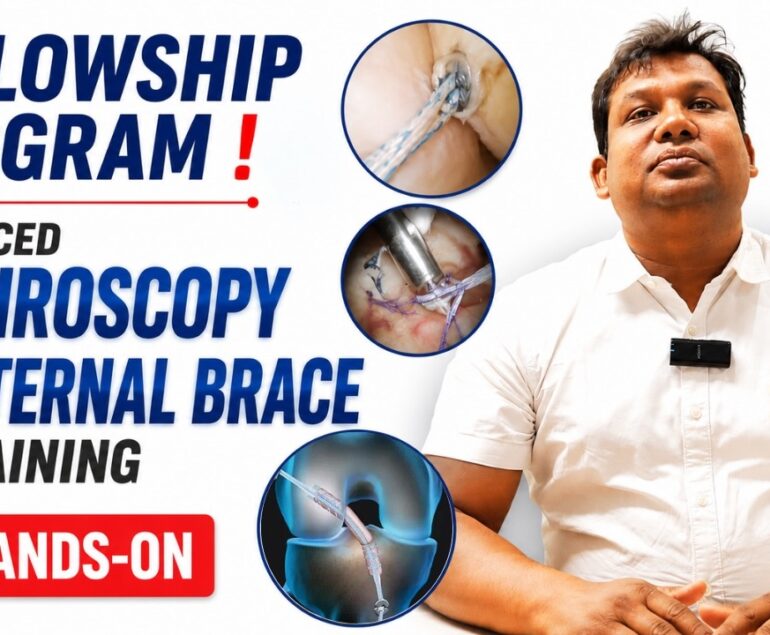
- Training in advanced tools and techniques, such as fiber tape bracing or virtual reality simulations.
The more practical exposure you gain, the better prepared you’ll be for real-world scenarios.
4. Choose a Fellowship with Exceptional Mentorship
A mentor’s guidance can significantly influence your learning experience. Seek programs led by established orthopedic surgeons, such as Dr. Manu Bora, who:
- Provide personalized feedback during procedures.
- Share valuable insights from years of experience.
- Offer career advice and networking opportunities.
A mentor with a proven track record of success ensures you’re learning from the best in the field.
5. Assess the Program’s Reputation and Alumni Success
A fellowship’s reputation often reflects the quality of training it provides. Investigate:
- Alumni outcomes: Have past fellows excelled in their careers?
- Testimonials: What do former participants say about the program?
- Industry standing: Is the fellowship recognized as a leader in the field?
Programs with a strong reputation are more likely to open doors for future opportunities.
6. Evaluate Duration and Scheduling Flexibility
Fellowships vary in duration, ranging from one month to over a year. Consider programs that:
- Offer flexibility to accommodate your professional and personal commitments.
- Provide short-term options for surgeons seeking specific skill development.
- Include opportunities for extension if you wish to dive deeper into advanced techniques.
Balancing the duration with your availability ensures a stress-free and focused learning experience.
7. Factor in Location and Accessibility
The program’s location can influence your overall experience. Choose a fellowship based on:
- Proximity to advanced surgical centers or research institutions.
- Accessibility to training facilities equipped with the latest tools.
- Living costs and ease of relocation, especially for international fellows.
A convenient location minimizes distractions and enhances focus on learning.
8. Know the Costs and Return on Investment
While cost is an important consideration, think of the fellowship as an investment in your future. Ensure you:
- Understand the full fee structure, including additional expenses.
- Compare the program’s value against its reputation and alumni success.
- Check for any scholarships or financial assistance options.
Programs like Dr. Manu Bora’s Fellowship offer a balance of affordability and high-quality training, ensuring maximum value for your investment.
9. Check for Certification and Accreditation
A recognized certification upon completion enhances your credibility as a specialist. Accredited programs also add weight to your qualifications, making you more competitive in the job market.
10. Explore Opportunities for Networking
An ideal fellowship doesn’t just teach skills; it connects you to a broader professional community. Programs with access to conferences, workshops, and peer networks allow you to:
- Build lasting relationships with fellow surgeons.
- Stay updated on the latest advancements in arthroscopy.
- Gain referrals and job opportunities from industry connections.
Conclusion
Choosing the right arthroscopy fellowship is about finding a program that matches your goals, provides comprehensive training, and sets you up for long-term success. With a strong curriculum, expert mentorship, and practical exposure, the right fellowship can transform your career, helping you excel in minimally invasive orthopedic surgery.
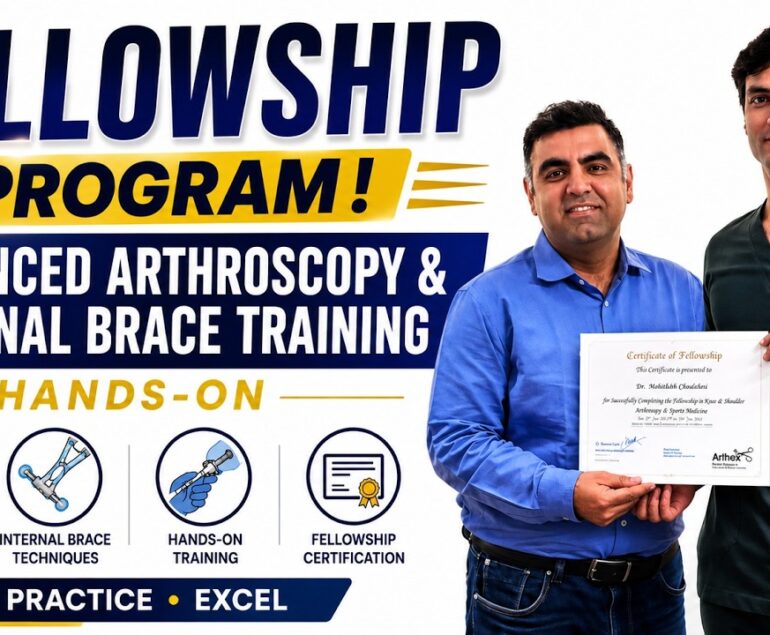
If you’re ready to take this important step, consider enrolling in Dr. Manu Bora’s Fellowship Program—a pathway to mastering arthroscopy and elevating your career.
I’m interested to learn & got hand skills more & more from your experience in arthroscopy & joint reconstruction
Hi, you can send your application to this email – orthosportin@gmail.com